10 Keyword Mnemonic Examples for Japanese Words (With Pictures)
Reading about the keyword mnemonic method is one thing. Seeing it applied, word by word, is what makes the pattern click.
Below are ten real examples straight from the Memzle app. Each one has three parts: the Japanese word, a bridge (an English word or phrase that sounds like it), and a short story that links the bridge to the meaning, with the illustration we use in the app.
10 Japanese words and the stories that make them stick
-
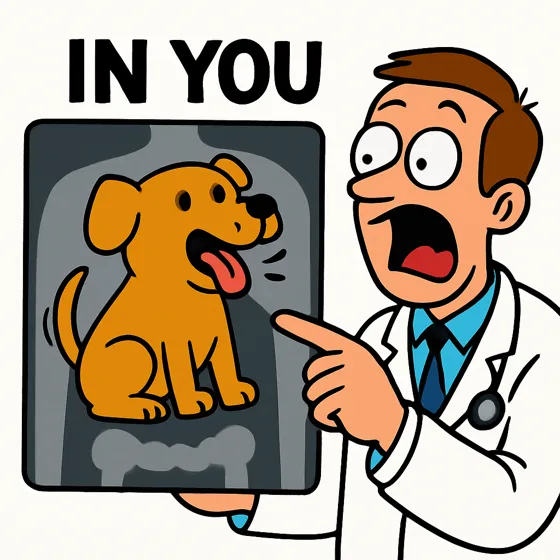
犬 (inu) — dog
Bridge: "In You"
A doctor spots a dog living inside you. It showed up in the X-ray!
-
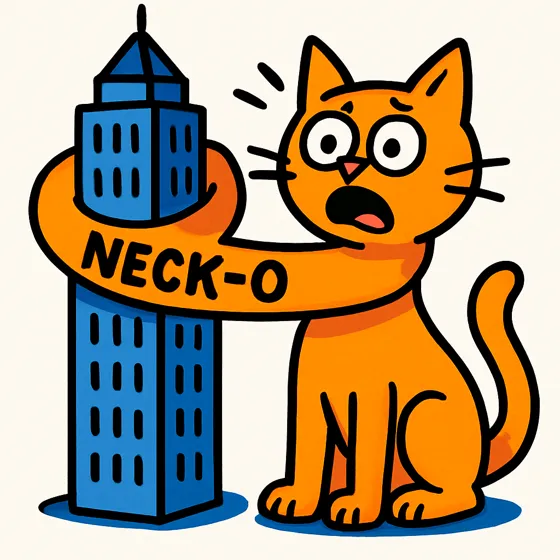
猫 (neko) — cat
Bridge: "Neck-O"
A cat stretches its neck-o so long it wraps around an entire skyscraper!
-
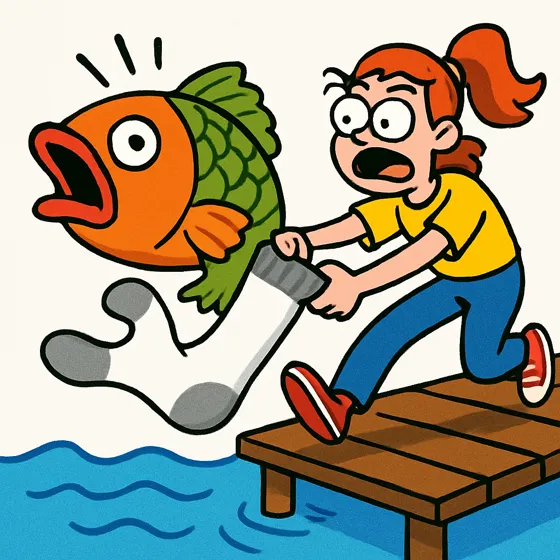
魚 (sakana) — fish
Bridge: "Sock Anna"
Anna chases a slippery fish down the dock, trying to force a giant sock onto it!
-
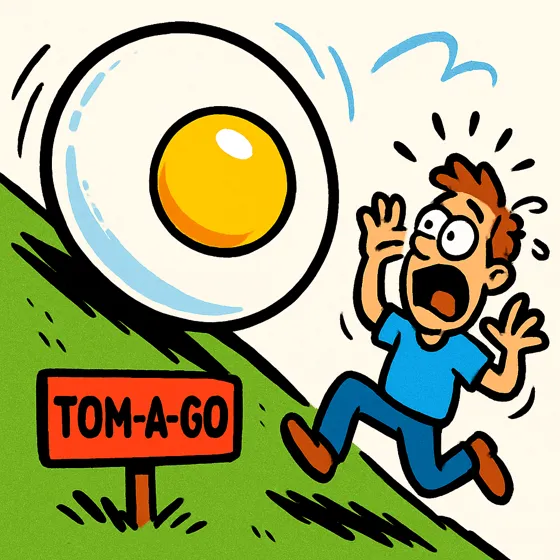
卵 (tamago) — egg
Bridge: "Tom-A-Go"
Tom-a-go! Tom chases after a giant egg as it breaks loose and rolls down the hill!
-
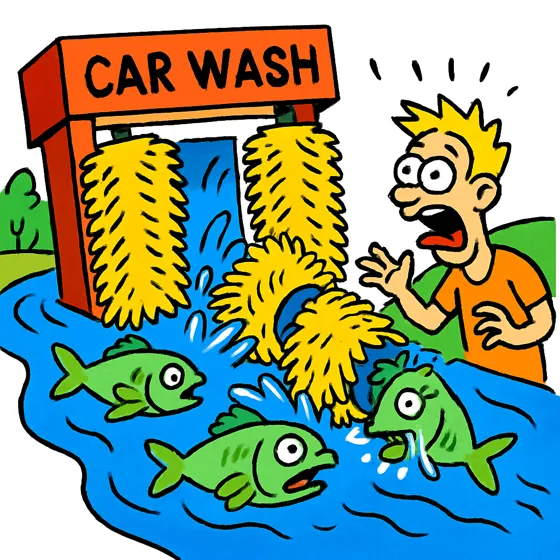
川 (kawa) — river
Bridge: "Car Wash"
A giant automatic car wash machine tumbles into the river and starts scrubbing the fish!
-
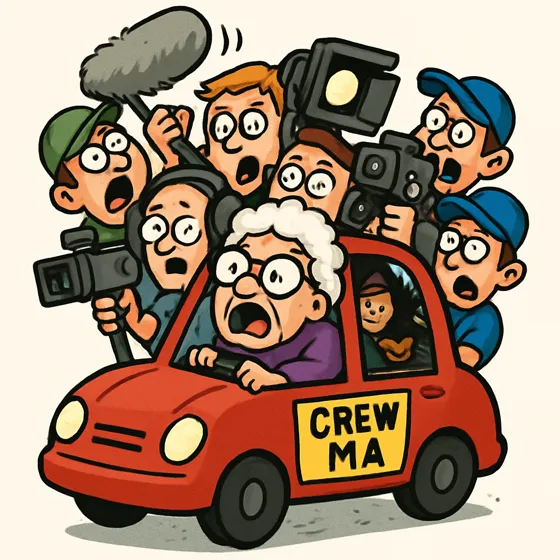
車 (kuruma) — car
Bridge: "Crew Ma"
A tiny car is somehow packed with an entire film crew and someone's grandma!
-
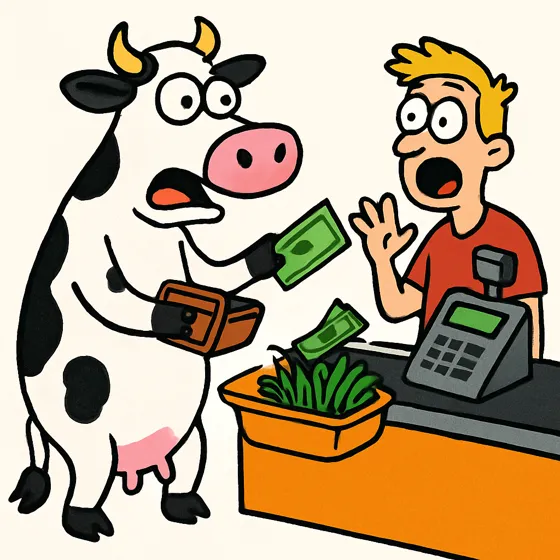
買う (kau) — to buy
Bridge: "Cow"
A cow pulls out her wallet at checkout and decides to buy her own pile of grass!
-
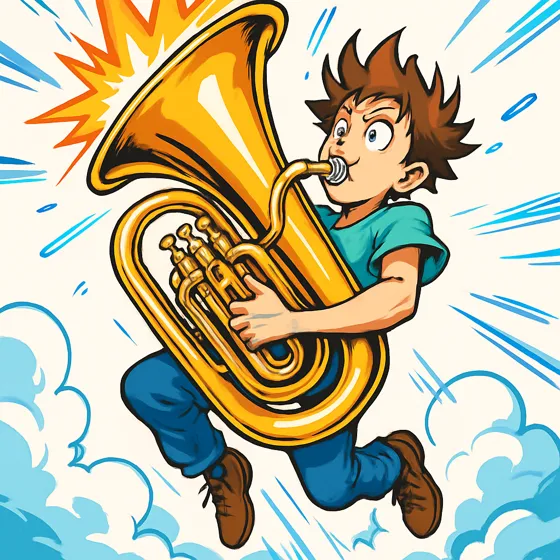
飛ぶ (tobu) — to fly / jump
Bridge: "Tuba"
He blew his tuba so hard it launched him up to fly through the clouds!
-
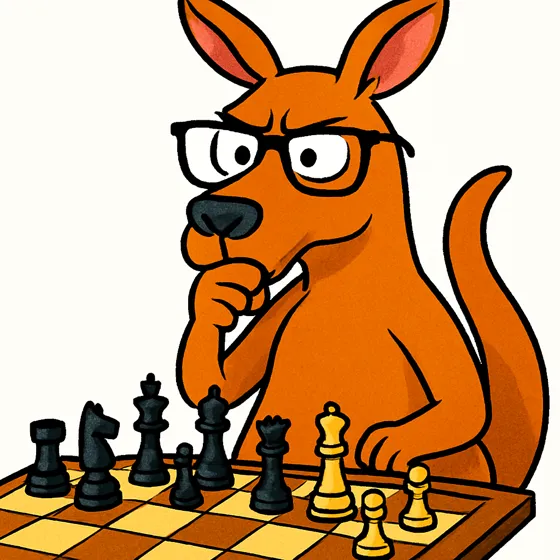
考える (kangaeru) — to think
Bridge: "Kangaroo"
The kangaroo loves to think. It put on glasses and stared at a chess board!
-

可愛い (kawaii) — cute
Bridge: "Hawaii"
The Hawaii penguin is so cute. It showed up on the beach in a grass skirt!
Notice what the stories have in common: each one is short, a little ridiculous, and forces the sound and the meaning to collide in a single mental snapshot. That collision is the whole mechanism. The image doesn't need to be elegant or "correct"; it just needs to be vivid enough to survive until your next review.
Notice, too, that the sound match is never perfect. "Car wash" isn't exactly kawa, and "Tom-a-go" isn't exactly tamago. It only has to be close enough to trigger the picture, and the audio takes care of exact pronunciation.
Why examples like these beat plain flashcards
A bare flashcard pairs a sound with a meaning and asks you to hold the connection through repetition alone. Each example above does something different: it gives the sound and the meaning a second, visual path back to each other. That's dual coding, storing information in two ways instead of one, and it's the idea behind Richard Atkinson and Michael Raugh's original keyword-method research with Russian vocabulary in the 1970s.
The effect isn't about any single image being clever. A vivid, slightly absurd picture is simply easier to hold onto than an arbitrary pairing of sounds. Once it's there, it gives you two routes back to the word instead of one fragile thread. Just remember the other half: images get words in fast, and regular review keeps them there.
Try it yourself
Pick a Japanese word you keep forgetting. Say it out loud, find an English word or phrase that sounds roughly like it, and build one absurd scene that connects that sound to the meaning. Picture it for a few seconds, then test yourself tomorrow by sound alone.
Where Memzle fits in
Building ten of these by hand takes real time. Building hundreds, enough to actually use the language, is a different scale of effort. Memzle closes that gap for Japanese: every word comes with its bridge, an illustrated story and audio, built around the same dual-coding idea, and words you've learned come back in review.
Remember every word with Memzle
Sound-alike bridges, cartoon stories and audio for every word, starting with Japanese. See how it works.
Related reading
- The Keyword Mnemonic Method for Japanese: A Beginner's Guide
- Why You Keep Forgetting Japanese Words (and How to Fix It)
- WaniKani Alternatives for Learning Japanese Vocabulary: 3 Honest Options